Wuhan Pier Culture Center Wins Gold at New York Architecture Design Awards
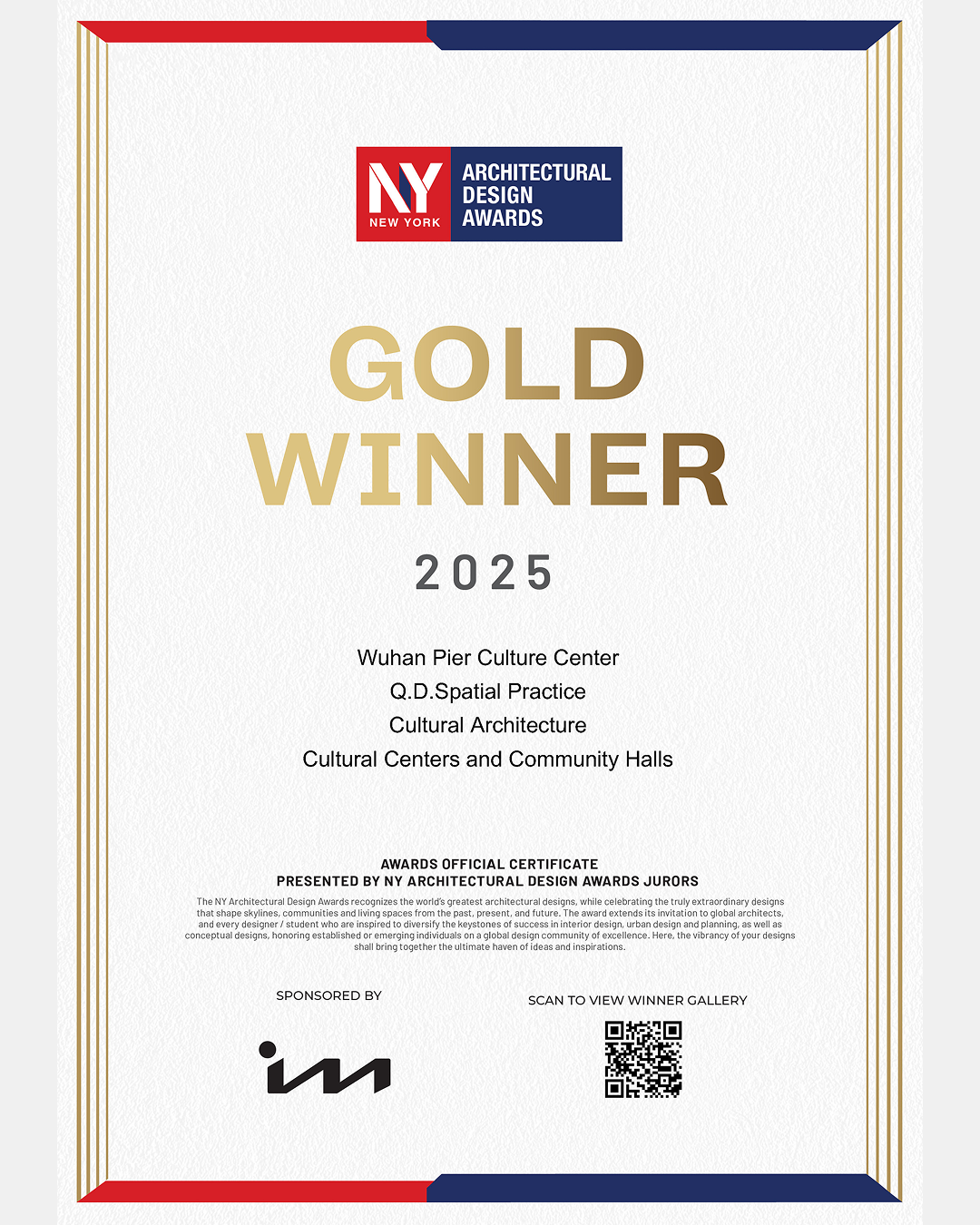
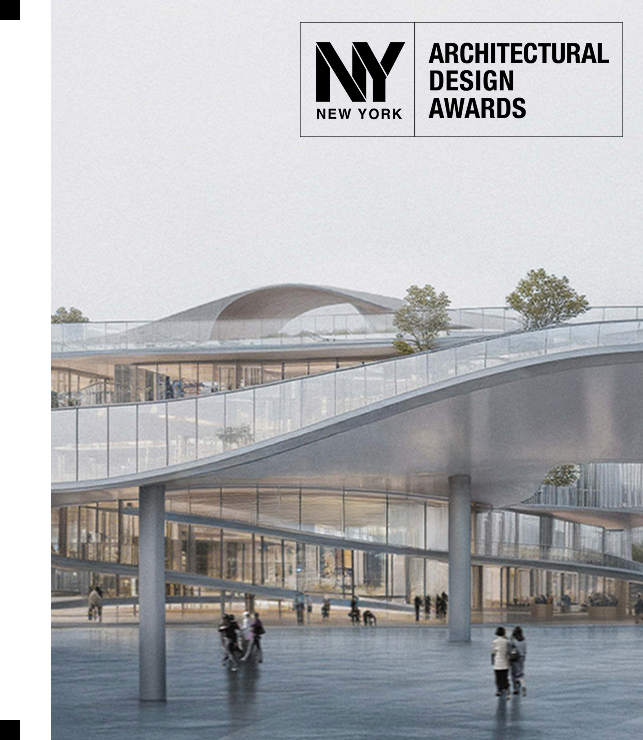
The Wuhan Pier Culture Center has been recognized as a Gold Winner in the Architectural Design category at the New York Architecture Design Awards 2025.
Located at the confluence of the Yangtze River and Wuhan’s historic docklands, the project establishes a new civic landmark rooted in the city’s riverine heritage. Its architectural language draws upon the duality of Yin and Yang — intertwining forms that bridge opposites: land and water, movement and stillness, tradition and innovation.
Programmed with a cultural gallery, community forum, and accessible riverfront terraces, the design creates an inclusive civic platform that extends public life onto the waterfront. A sweeping sculptural roof, conceived as a calligraphic stroke across the skyline, defines the center as both symbolic gesture and urban infrastructure.Sustainable strategies — including passive ventilation, rainwater harvesting, and porous landscape integration — reinforce the project’s commitment to ecological resilience and cultural continuity.
This international recognition affirms the project’s ambition to position Wuhan as a river city of dialogue, pluralism, and future-oriented civic identity.
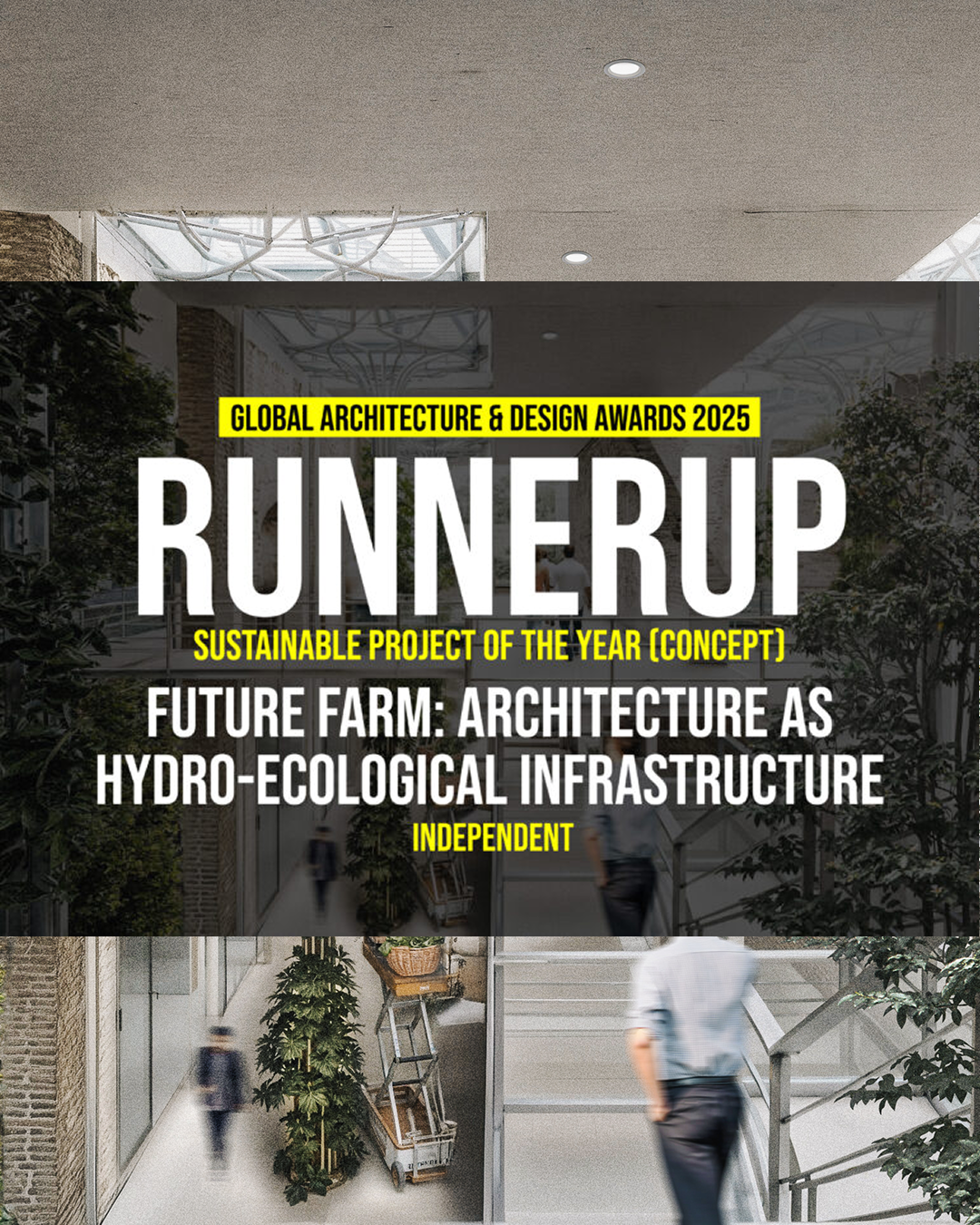
Future Farm Wins RTF Global Architecture & Design Awards 2025
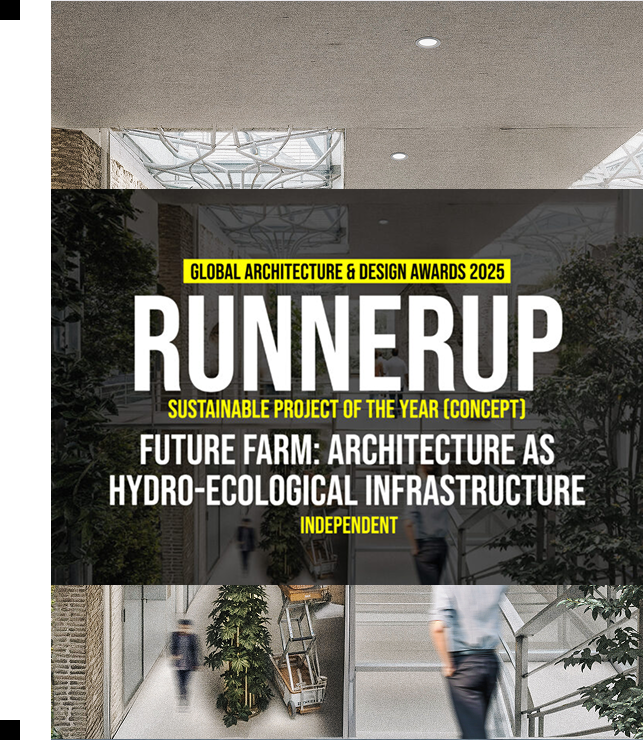
The Future Farm project has been shortlisted for Sustainable Project of the Year (Concept) at the RTF Global Architecture & Design Awards 2025.
The Rethinking The Future (RTF) Awards are among the most internationally recognized platforms celebrating excellence in architecture and design. Each year, the Global Architecture & Design Awards (GADA) honour innovative projects from over 100 countries, judged by an international panel of architects and educators. The competition highlights forward-thinking approaches to sustainability, cultural narrative, and urban transformation — making it a key benchmark for emerging architectural practices worldwide.
Conceived as a modular hydro-ecological system, the project proposes the adaptive reuse of urban voids as productive vertical farms, integrating architecture, water circulation, and public life into one ecological framework. It envisions agriculture as a new form of urban infrastructure—connecting community, sustainability, and education through spatial design.By merging architectural strategy with environmental systems, Future Farm demonstrates a vision for circular living and sustainable growth within dense urban environments.
Press & Exhibitions
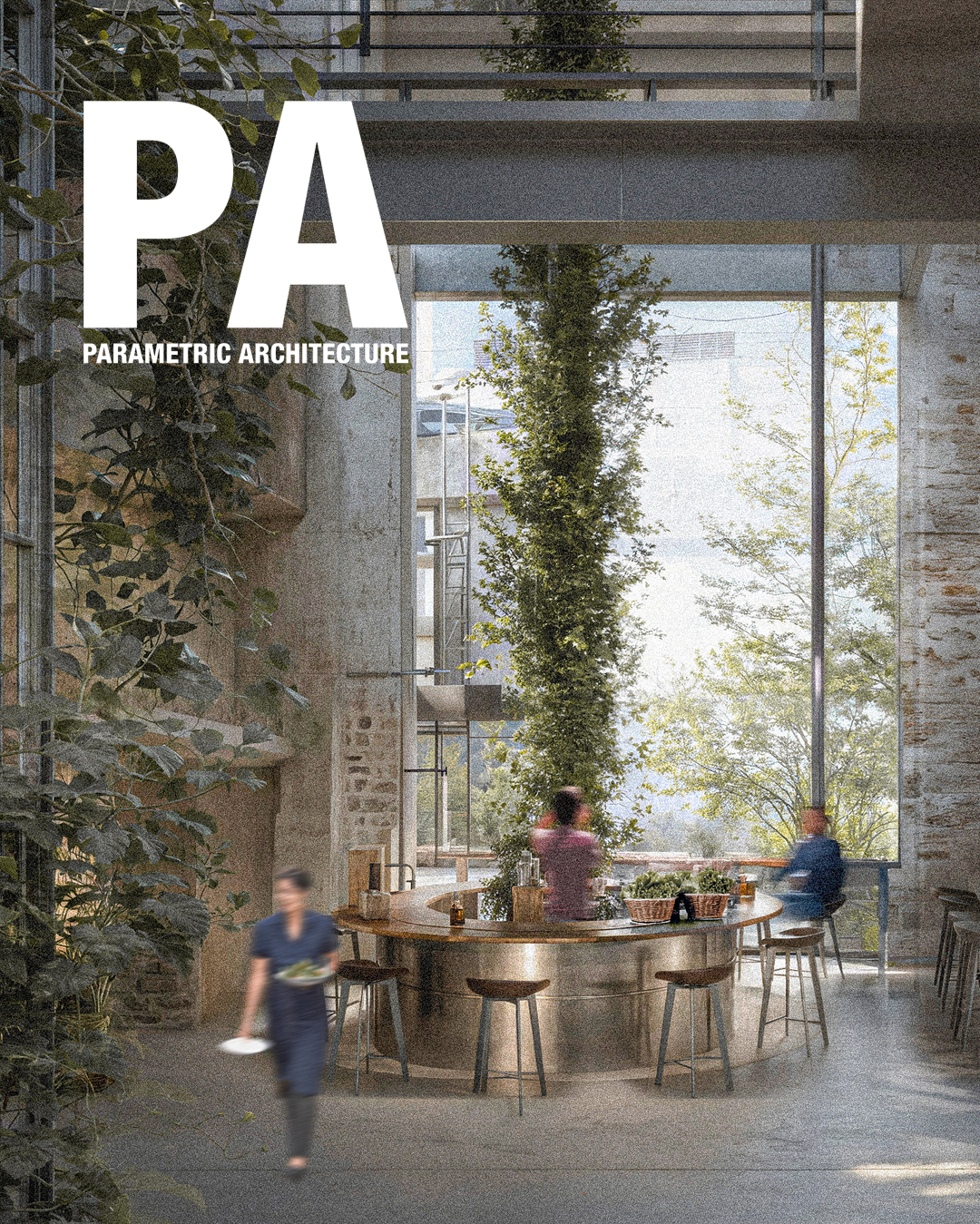
- Future Farm Featured on Parametric Architecture
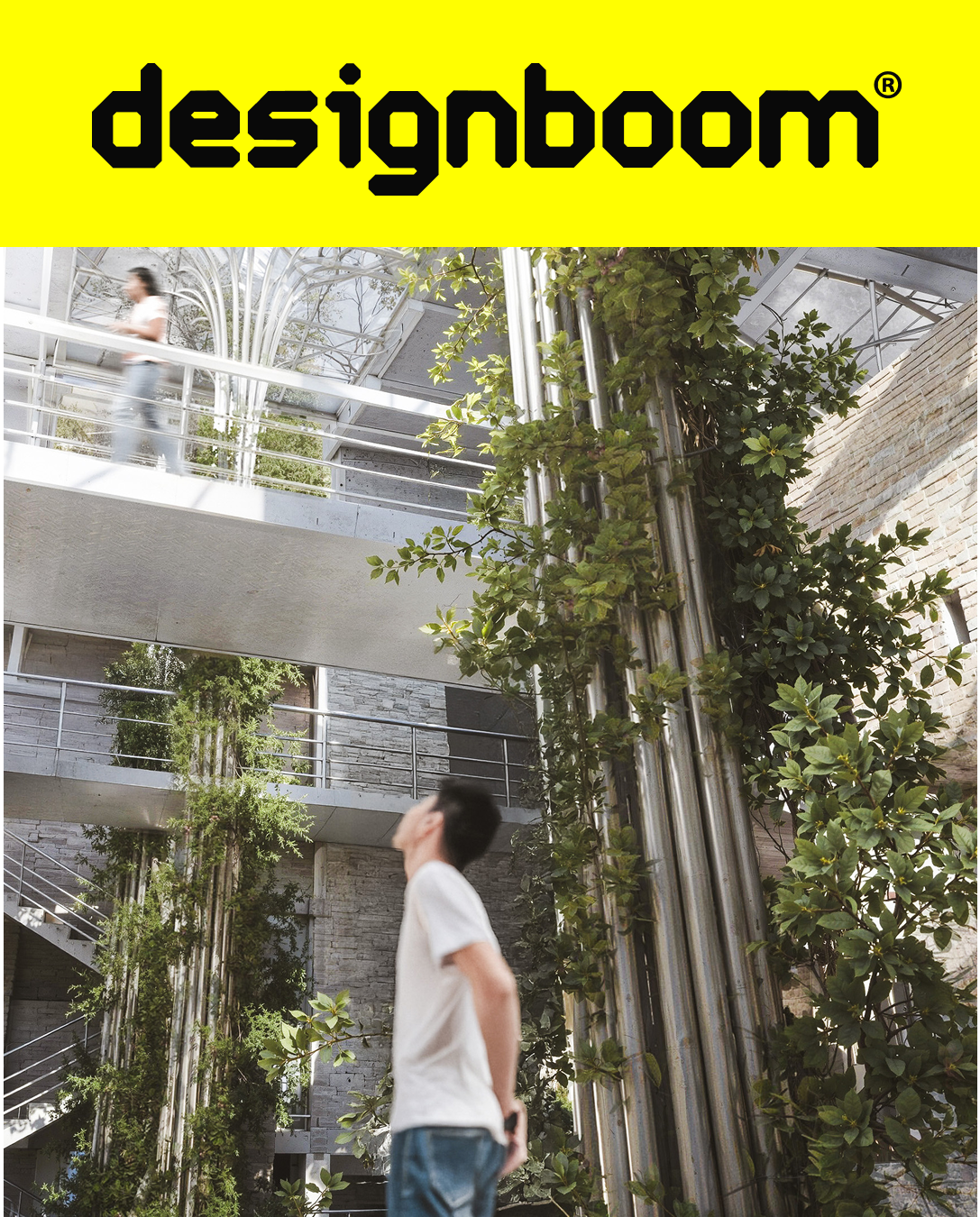
- Future Farm Featured on Designboom
- Future Farm Wins RTF Global Architecture & Design Awards 2025
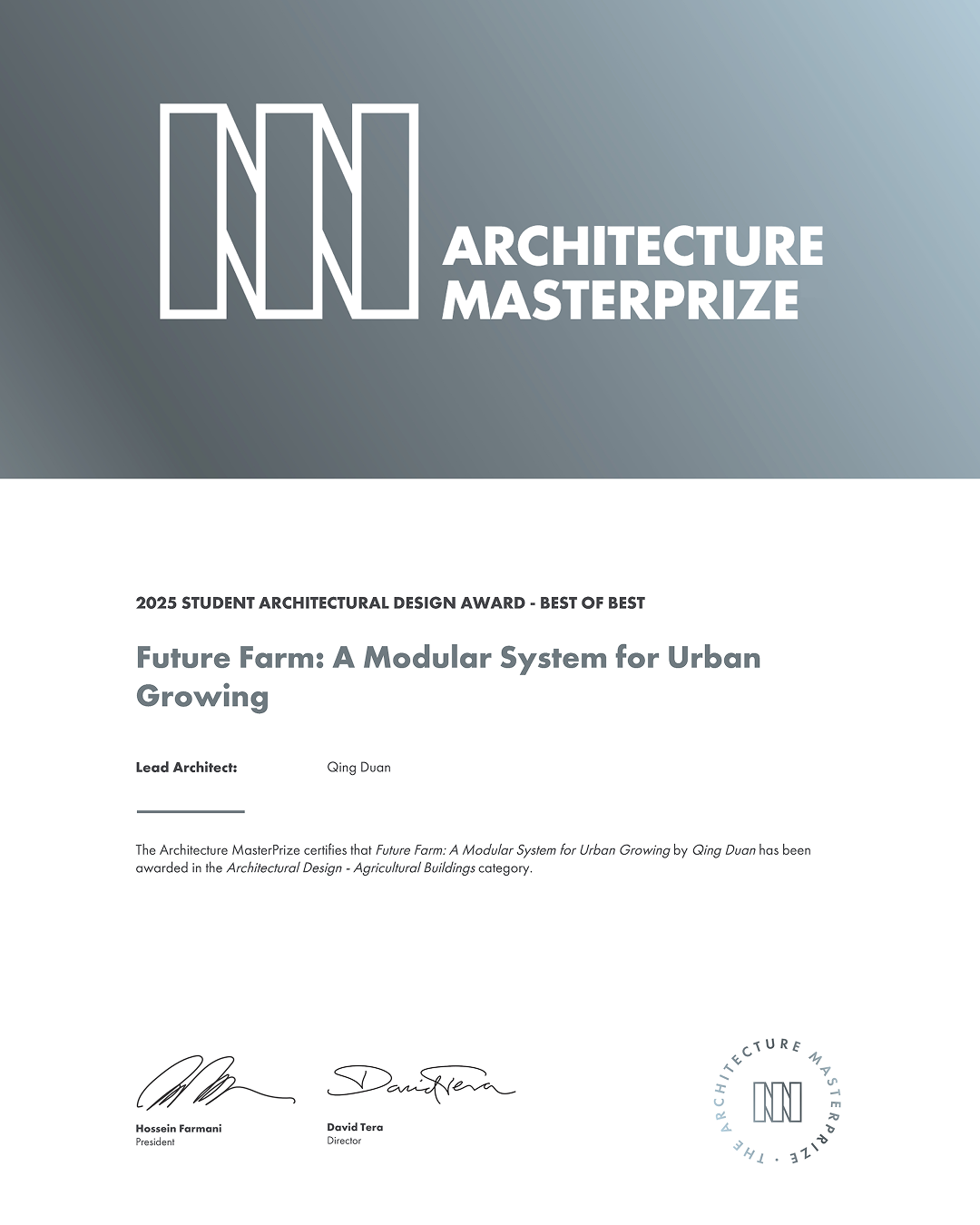
- Future Farm Wins Architecture Masterprize Best of Best 2025
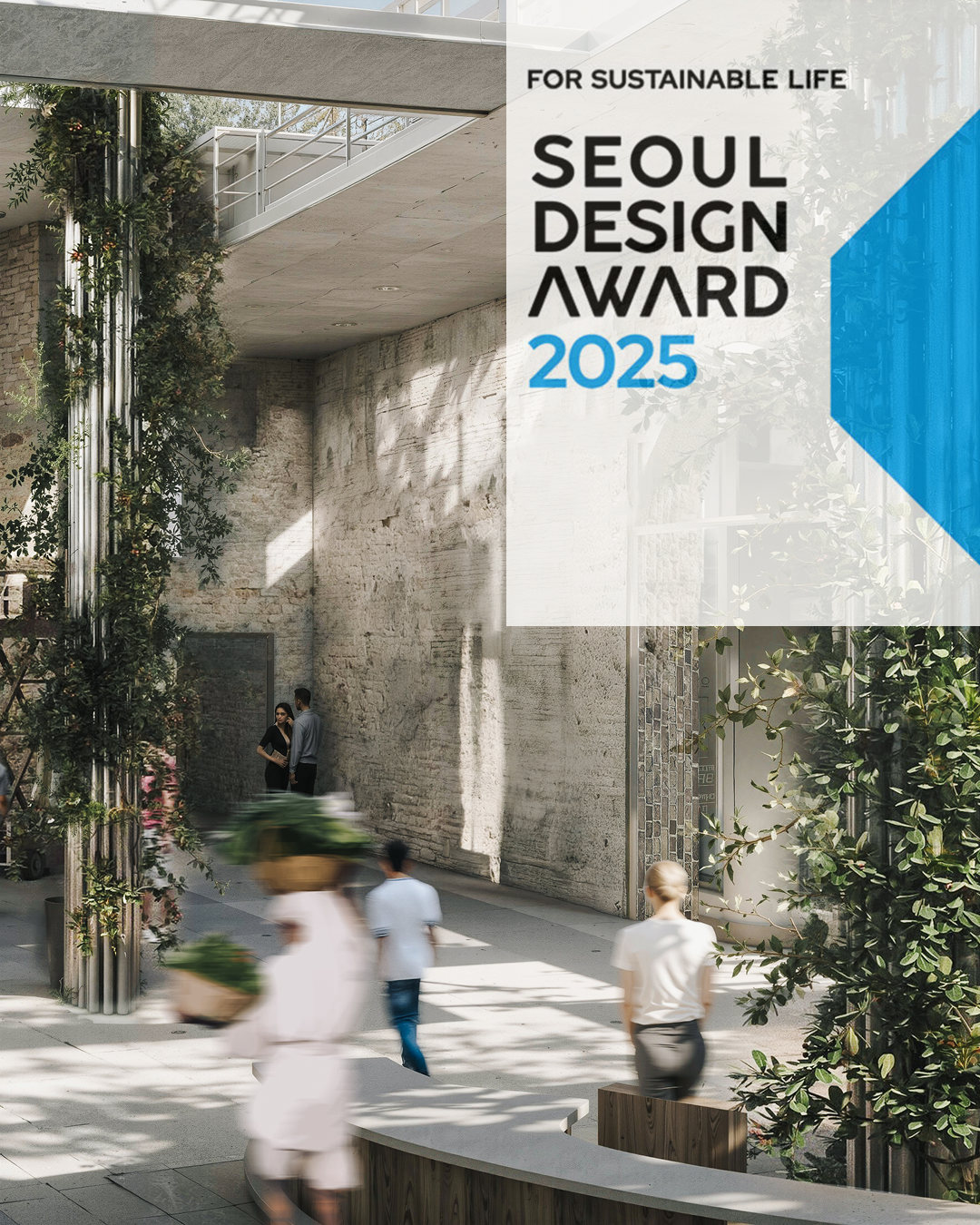
- Future Farm Finalist at Seoul Design Award 2025
- Wuhan Wharf Culture Center wins Gold at New York Architecture Design Awards 2025
- Wuhan Pier Culture Center Wins Platinum at MUSE Design Awards 2025
- Documentary of (Grow Towards Sunlight) at London Design Festival
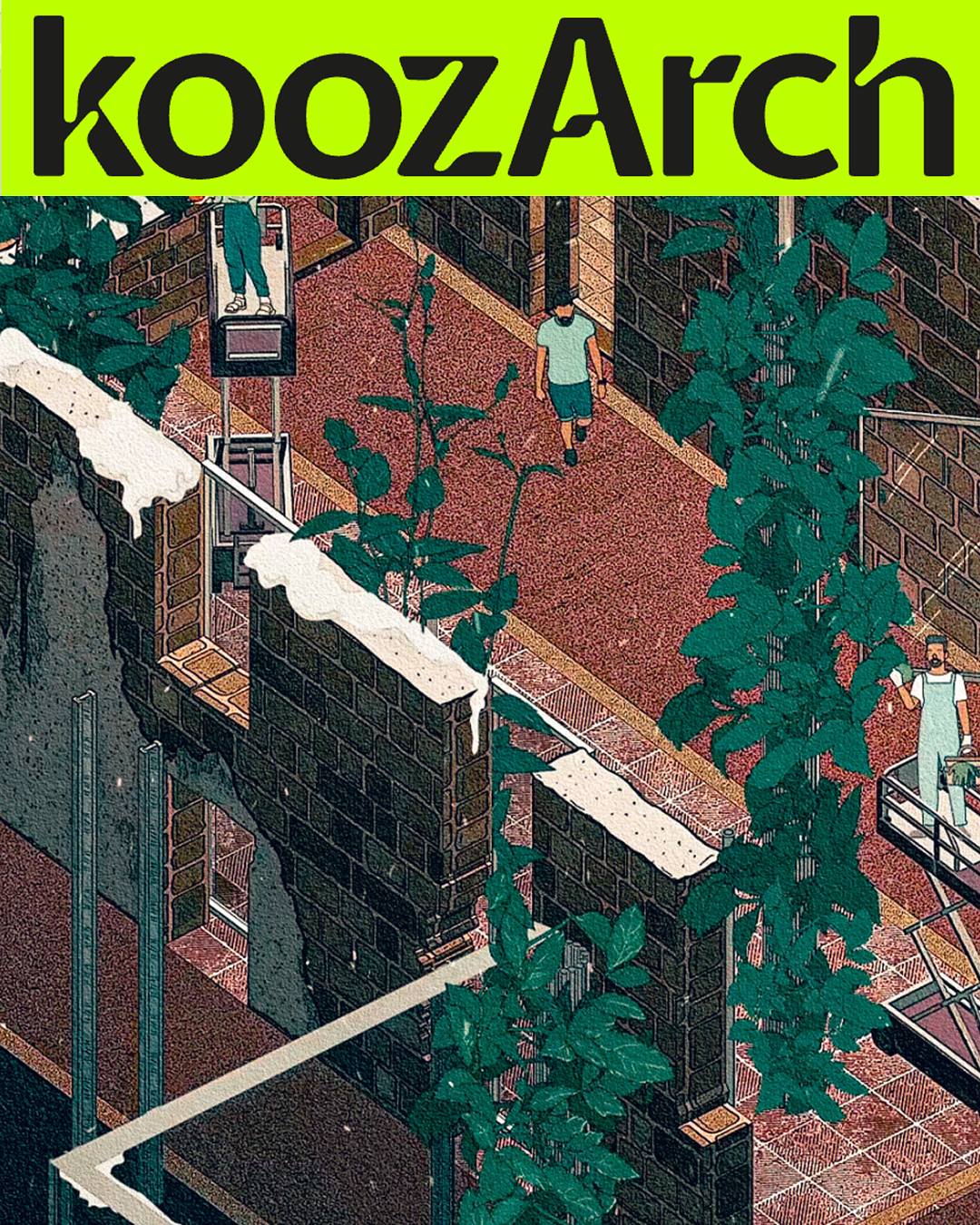
- Project Featured in KoozArch Archipelago Selection
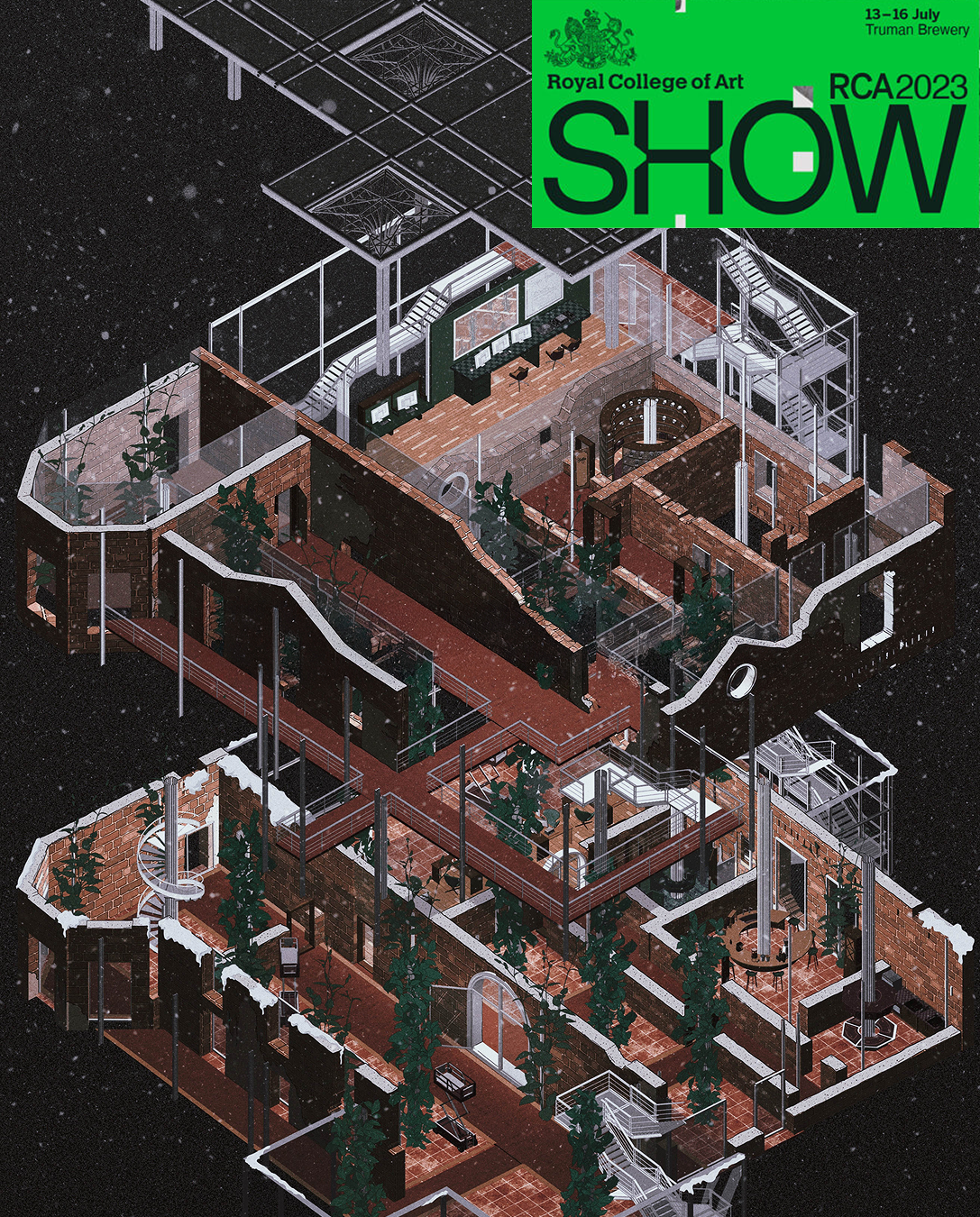
- RCA Graduate Exhibition Design Realised at Truman Brewery, London
- Future Farm Wins Hyundai Award for Excellence in Sustainability and Creative Practice
- Super Reuse Work-in-Progress Show Opens at Kensington Campus
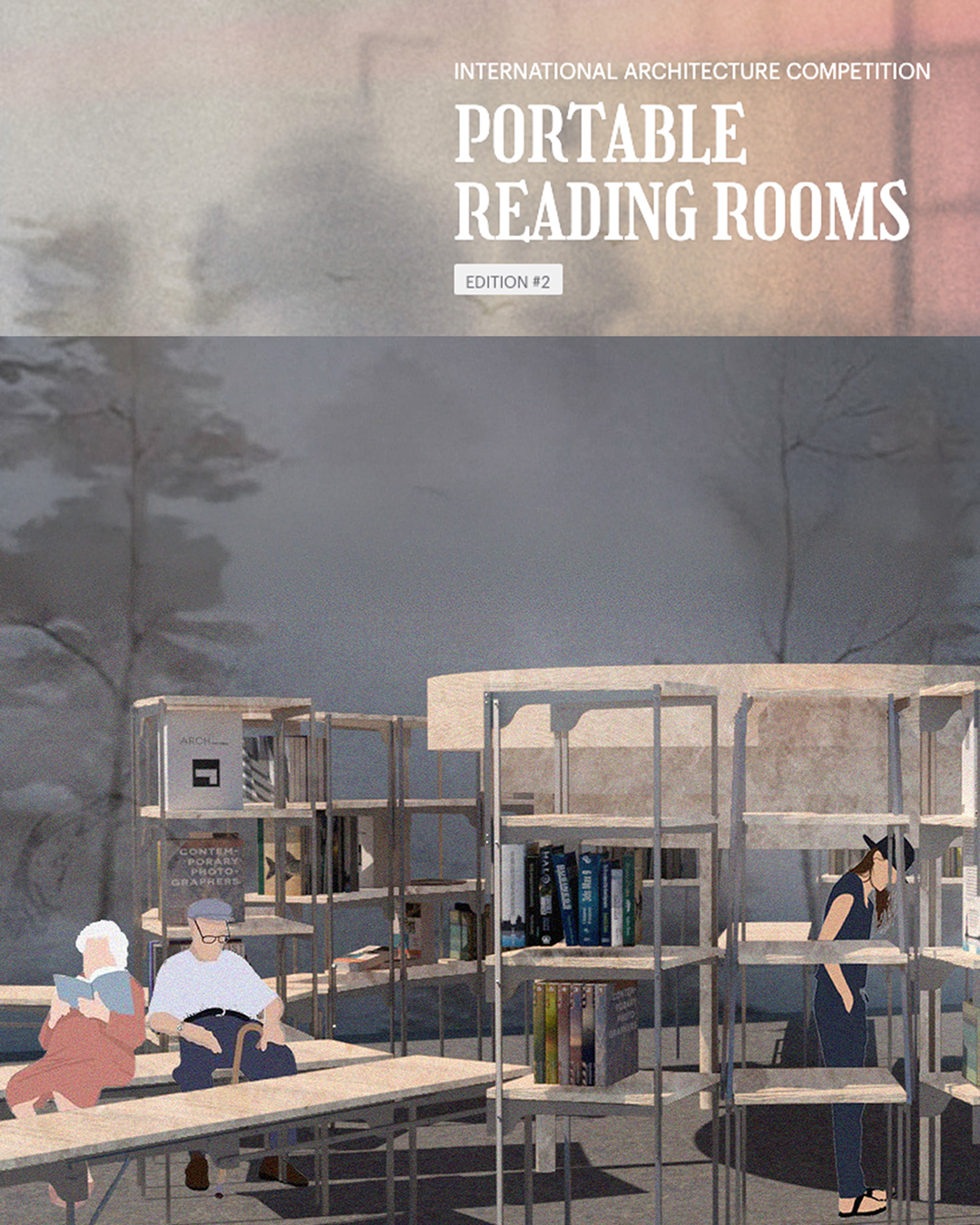
- Shortlisted for Portable Reading Rooms Edition #2
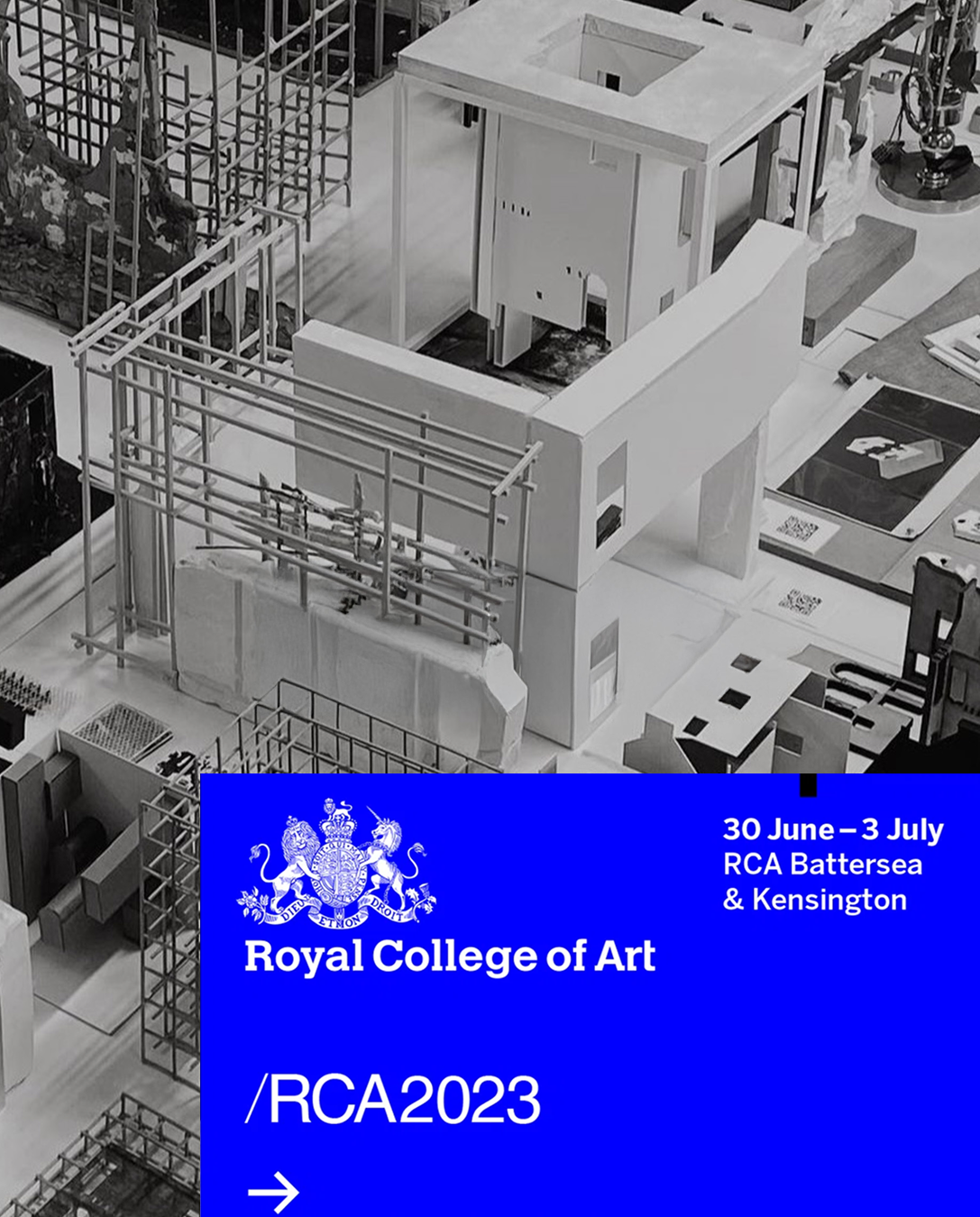
- Future Farm Exhibited at RCA Graduate Show 2023
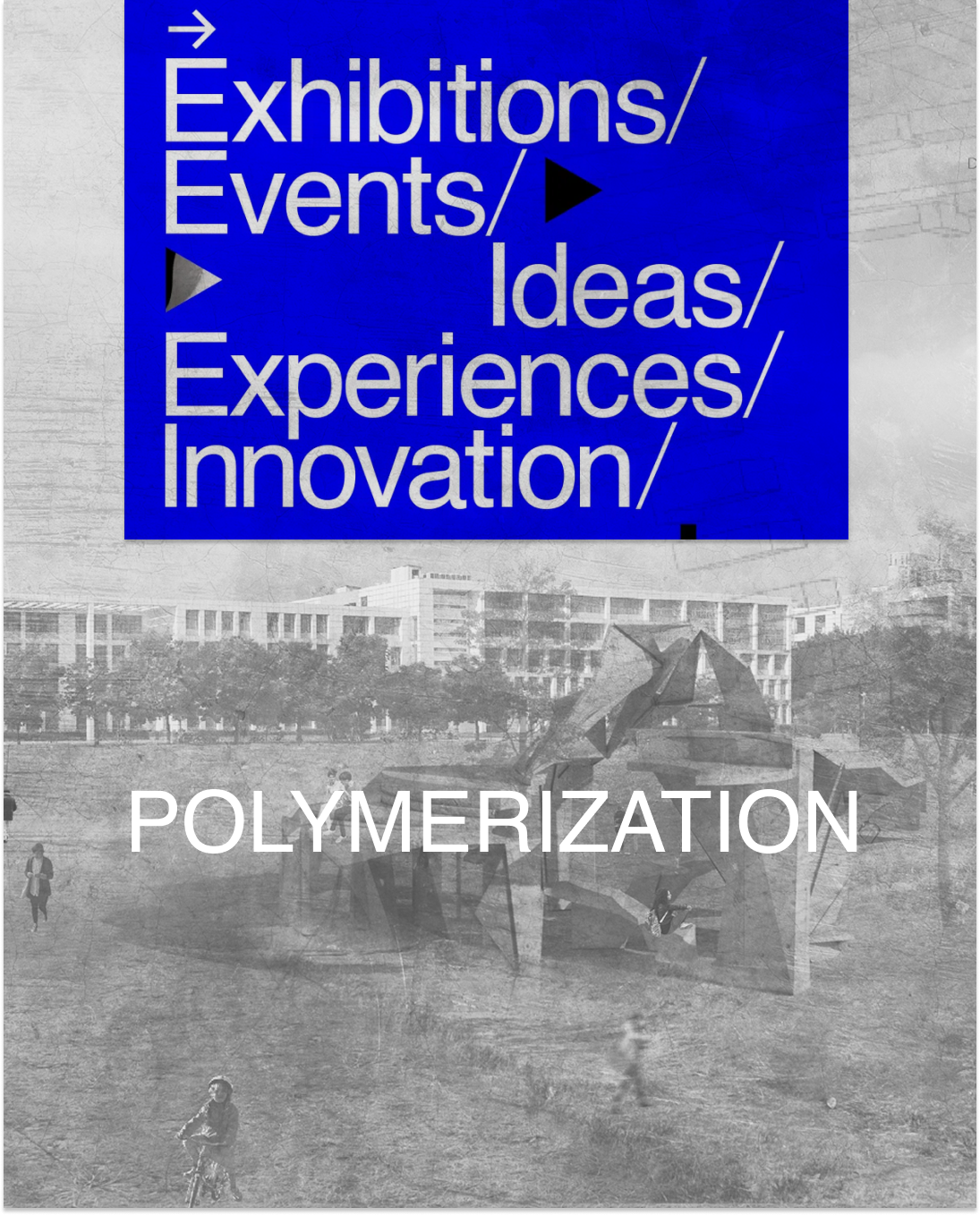
- Polymerization Wins First Prize at College Students Innovation and Entrepreneurship Competition
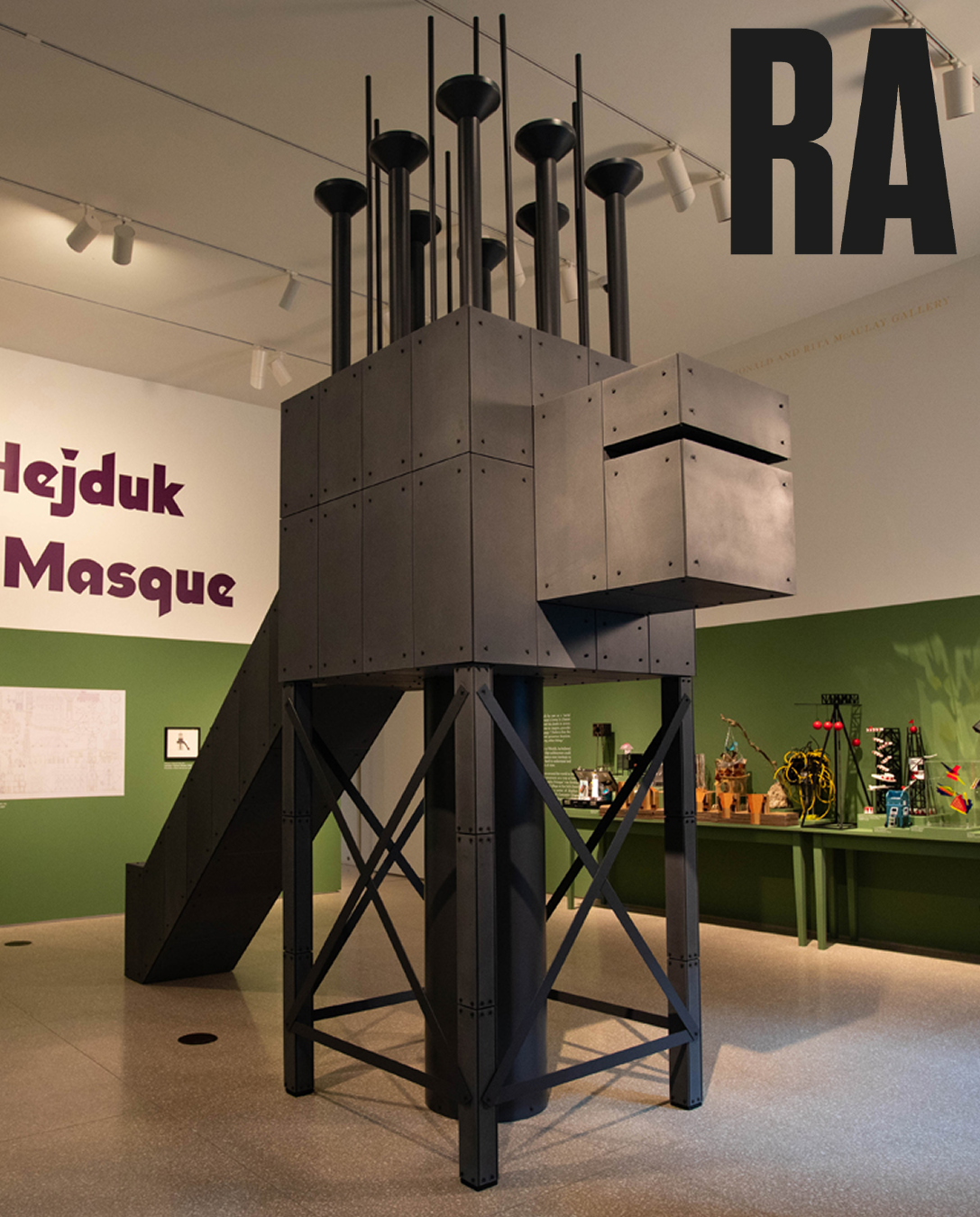
- Hejduk’s London Masque Exhibition Designed at Royal Academy of Arts
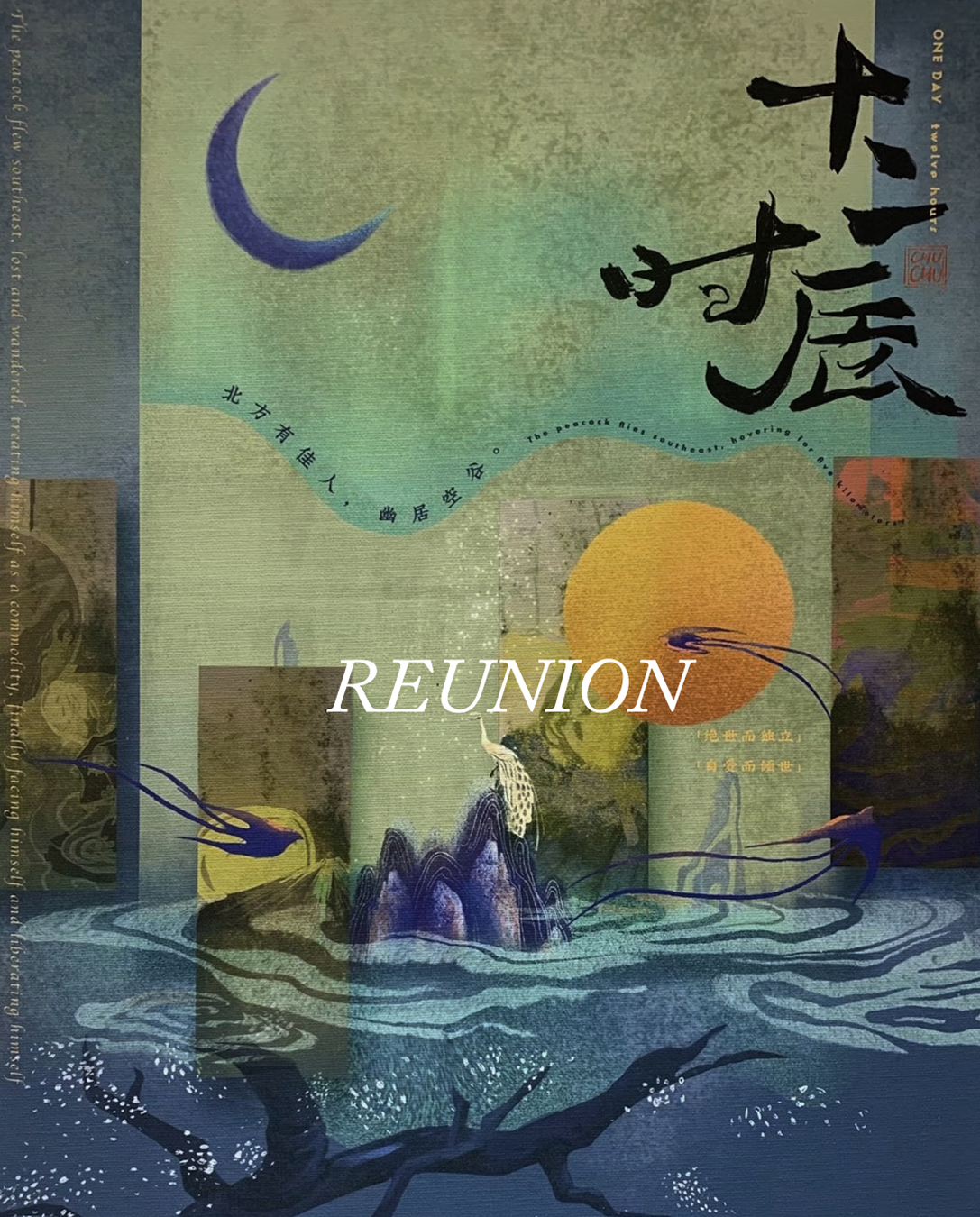
- Exhibited at Invitational Exhibition of 10 Young Artists #Reunion in Pinghe Packaging Factory
- Exhibited at Invitational Exhibition #Born To Die in Wuhan K11